Lighting Up
Human
Potential.
A 120-year-old organization with vision care, schools, job training, assistive technology, independent living services and a contact-center business, and no single idea holding any of it together. We built one, then built two campaigns on top of it.
The Problem
An organization that does too much to explain, and a donor who needs one reason to care.
What We Built
120yrs
Of mission brought under one idea, for the anniversary year
1st
Public-facing campaign in the organization's history
2
Objectives off one platform. Donor engagement, and enterprise leads
The Anthem
Two minutes that turn a network of programs into a single promise.
A Story of Human Potential. The anthem, two minutes.
The broadcast cut
Television sells thirty seconds. The cut had to survive being four times shorter without turning into a different argument, so what goes is running time, not the shape.
The Setup
The Chicago Lighthouse has served people who are blind, visually impaired or disabled, and Veterans, since 1906. Vision care, early education, literacy, job training, assistive technology, independent living, veterans services, and a contact-center business that funds a large share of the rest. Every one of those told its own story to its own audience. A donor met the organization one program at a time and never saw the whole.
The Insight
Sight is not the subject. What a person does once the barrier is gone is the subject.
The Platform
Lighting Up Human Potential. It holds every program because it describes the outcome all of them share, and it gives a donor a single reason to give that does not depend on picking a favorite program. The anthem states it plainly: we do not just help people see, we help them see who they can become.
BiG helped us bring the full Chicago Lighthouse story together in a way that is clear, human and true to who we are.
Dr. Janet P. Szlyk, President and CEO, The Chicago Lighthouse
The Donor Films
The platform narrowed to one person, so a gift has a face attached to it.
Tommy. One family, early intervention, and a childhood that gets to be a childhood.
Peter. A vice president at The Lighthouse, helped by its programs since childhood.
The two films set the pattern the donor track runs on. Disability is not used as shorthand for hardship and The Lighthouse never casts itself as the hero. Access and support are the conditions; what the person does with them is the story. Tommy is the beginning of one life and Peter is the length of another, which between them is the whole argument for giving.
The B2B Side
Light Up Your Contact Center. The same platform, sold to a procurement team.
Lighthouse Enterprises is a working contact-center business, not a charitable line item. The work leads with the quality of the service and lets the mission be the reason it is that good: a skilled US-based workforce using adaptive technology, and careers built for people who are blind, visually impaired, disabled, and Veterans. Accessibility framed as a business advantage rather than an obligation.
The B2B film, Lighting Up Your Contact Center Experience, runs thirty seconds against the same platform and a different scoreboard.
Shot where the work happens.
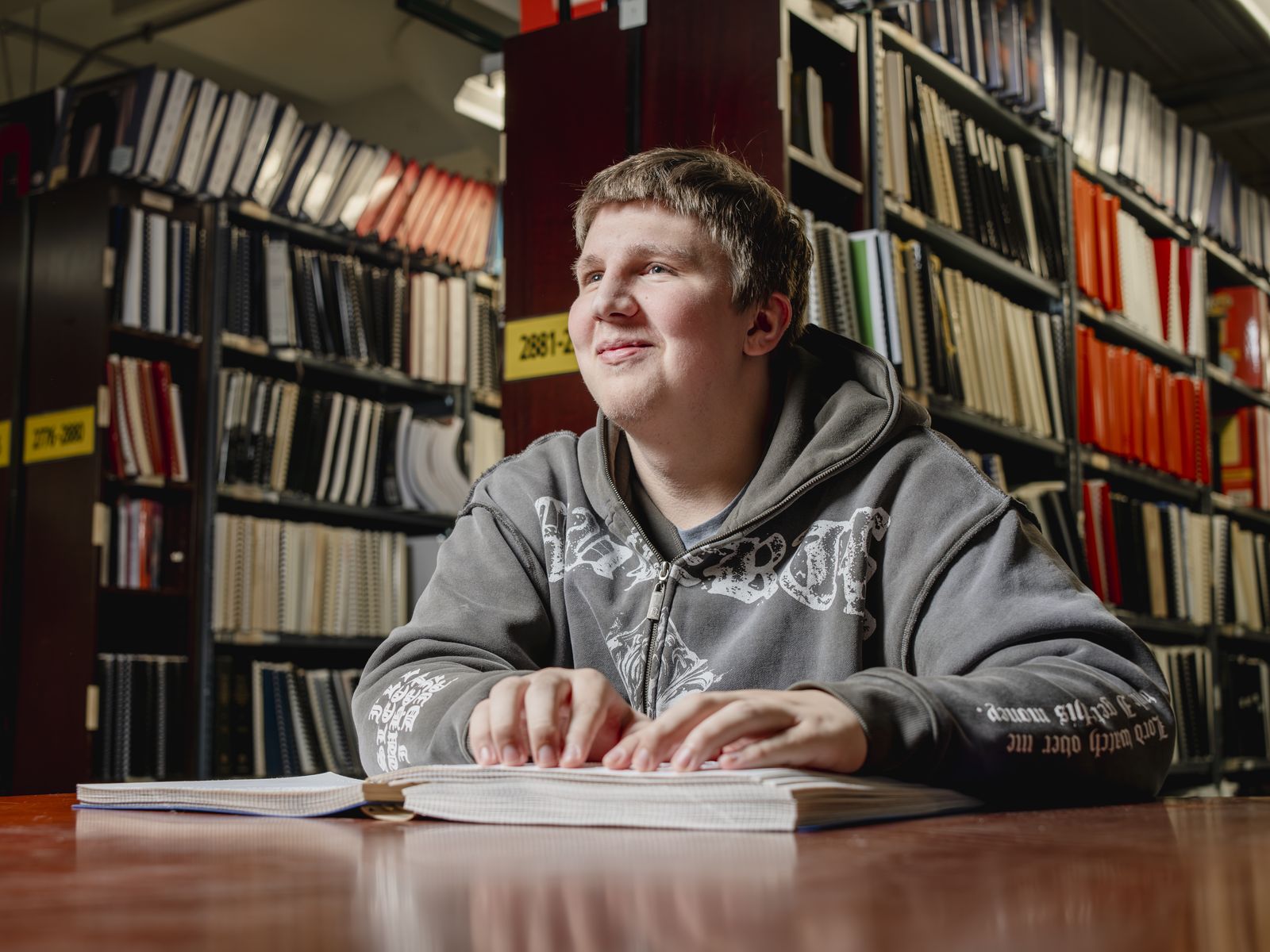
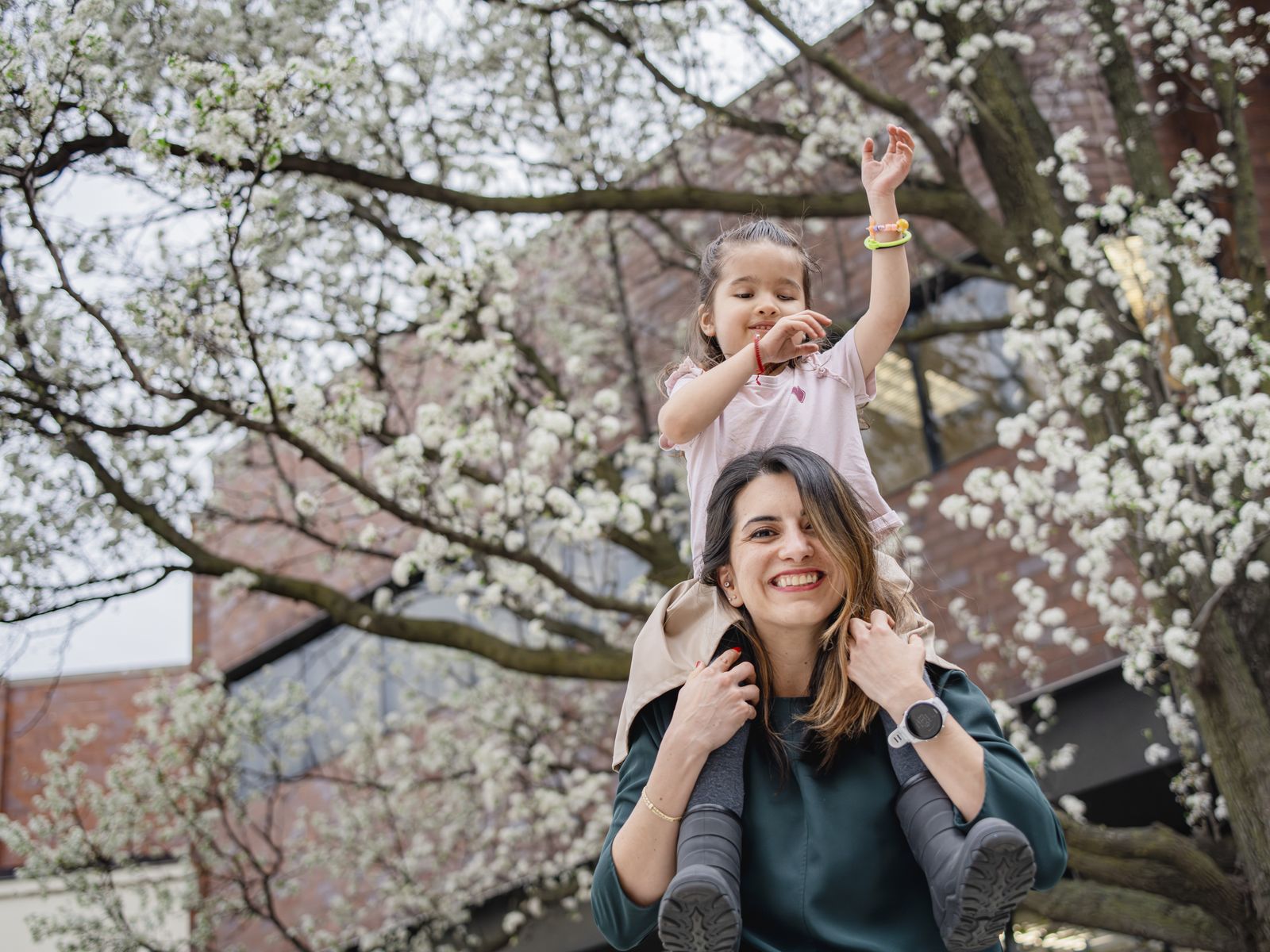
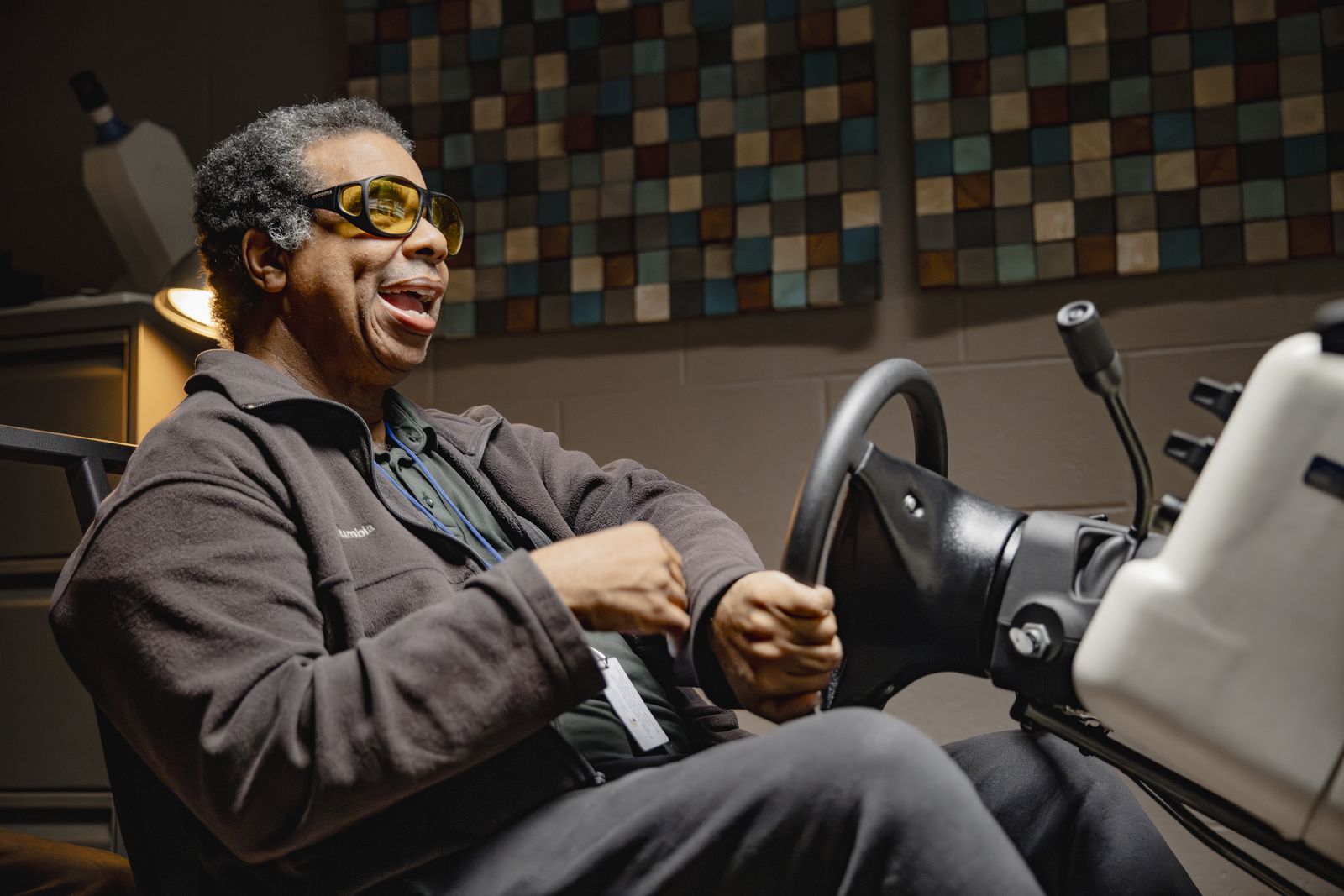
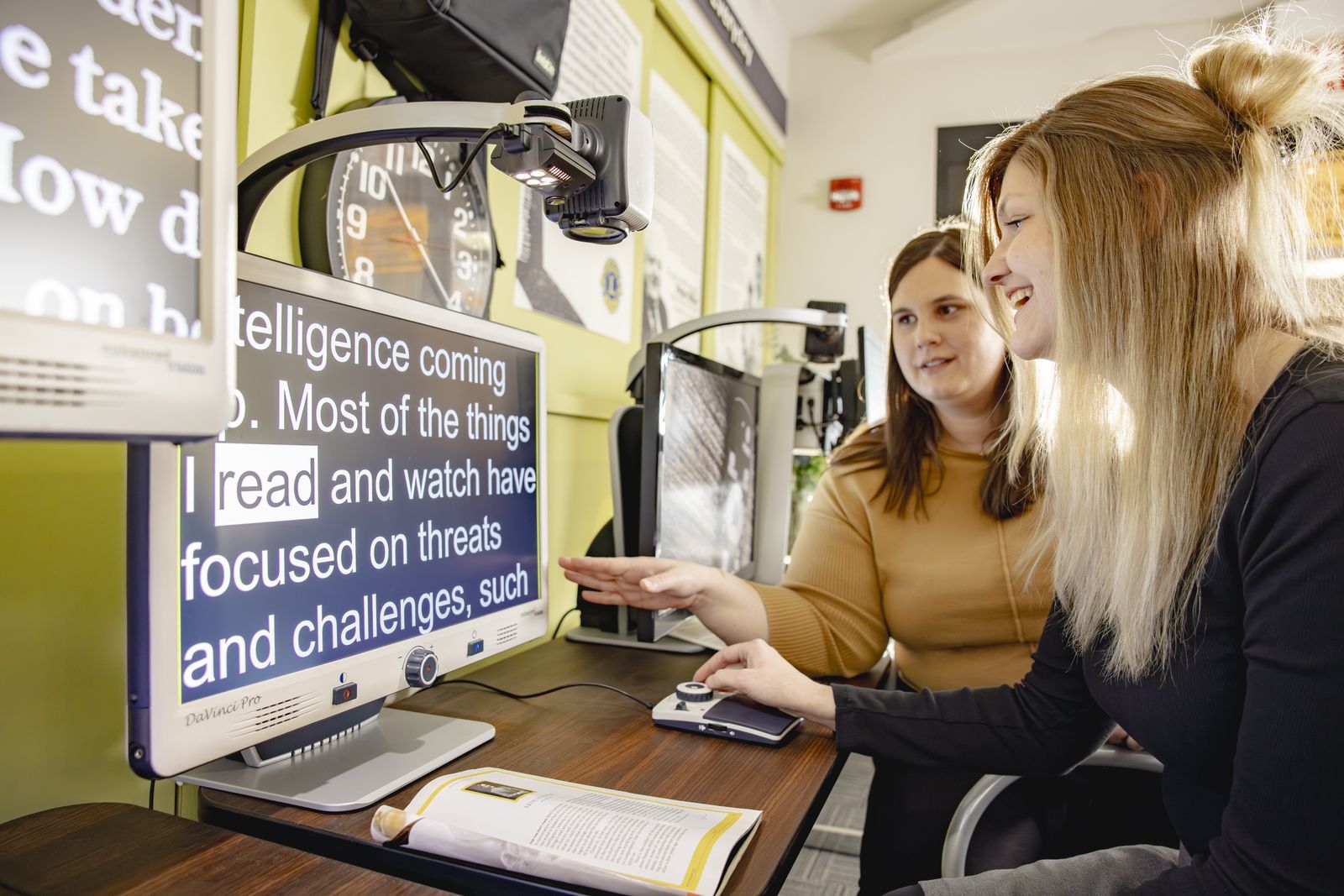
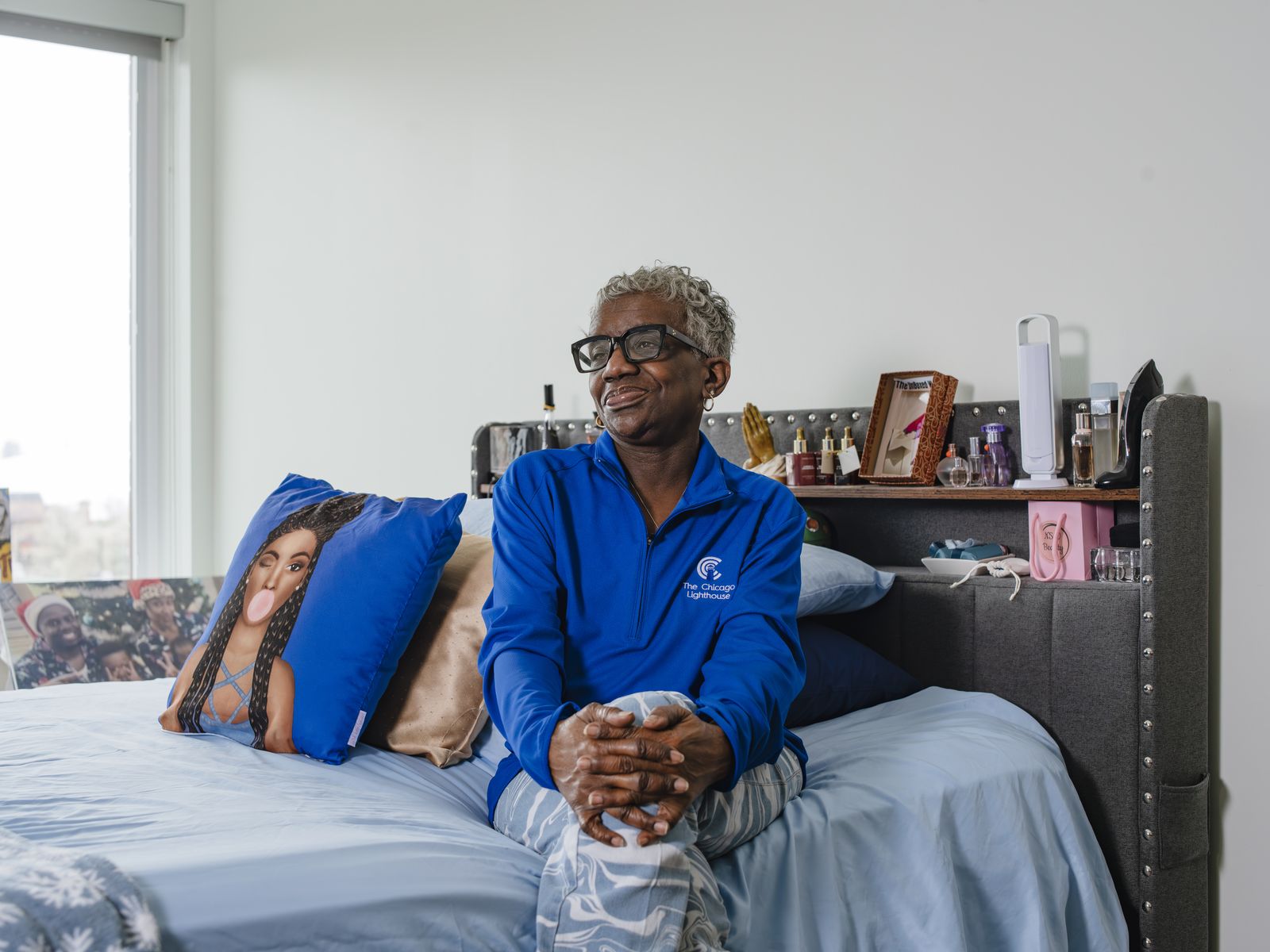
The stills library was photographed across the programs rather than staged around them: a bedroom floor, a reading table, a training room, somebody's own apartment. It is the same argument the films make, held still. Nobody in these frames is being helped at. They are reading, playing, driving, living somewhere they chose.

Scroll →
The scope of the thing.
1906
The year it started serving people who are blind, visually impaired or disabled, and Veterans.
Source. LBB, Reel Chicago
50,000+
People served each year across the organization's programs.
Source. LBB, Reel Chicago
650
Trained agents in the Lighthouse Enterprises contact centers.
Source. LBB, Reel Chicago
4M+
Callers handled a year by those contact centers.
Source. LBB, Reel Chicago
One platform.
Two jobs.
The films above are the visible half. This is the part that does not show up on screen: who each piece is aimed at, what keeps working after launch week, and which channel carries which argument.
01
Two audiences, two objectives
The same platform runs against two different scoreboards. For The Chicago Lighthouse it is engagement and contributions. For Lighthouse Enterprises, the social business enterprise, it is business leads. Two funnels, one idea, no competing brand.
02
The content library
Phased, so the platform keeps working after the launch window closes. Eight digital display and banner executions, Facebook and Instagram in-feed and Story units, and Meta carousels, all carrying donation calls to action and recurring-gift appeals.
03
The media plan
Planned by KSM across connected and linear television, programmatic display and paid social, with audience-specific activity on Meta for the donor side and LinkedIn for enterprise. The channel split is what keeps the two objectives from colliding.
Credits
- ClientThe Chicago Lighthouse
- AgencyBiG, Brand Imagination Group
- CEOBarry Krause
- ECDRick Wayne
- MediaKSM
Strategy, storytelling, design, film, photography and digital production under one platform.
If your organization does ten things well and gets credit for one, that is a platform problem. We would love to talk.
Get in touch